
Protecting Food Safety, Brand Reputation & Customer Trust
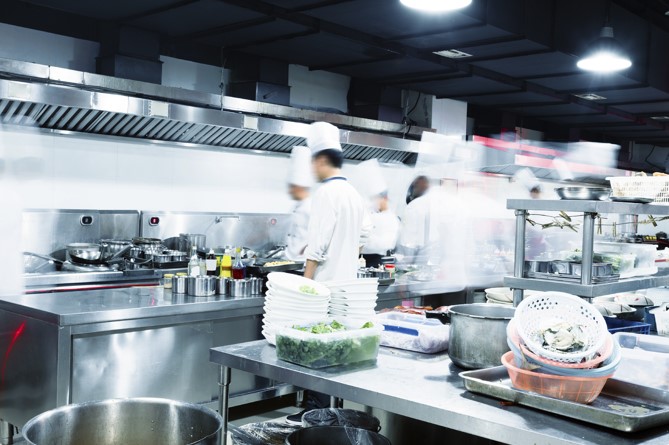
In the hospitality and food service industry, pests are not just a nuisance — they are a serious threat to food safety, public health, and brand reputation.
Integrated Pest Management (IPM) is the safest, most effective, and regulatory-preferred method for pest control in restaurants, hotels, and food processing environments.
This guide walks you through the four pillars of IPM—Inspection, Identification, Action, and Evaluation—tailored specifically for commercial kitchens and food establishments.
⭐ What Is Integrated Pest Management (IPM)?
IPM is a science-based, preventive approach that uses minimum chemicals, prioritizes hygiene, and focuses on long-term solutions rather than temporary fixes.
Why IPM Is Essential for Food Businesses
- Protects food safety & prevents contamination
- Complies with FSSAI & HACCP standards
- Reduces chemical exposure in food zones
- Prevents costly shutdowns and customer complaints
- Minimizes long-term maintenance and pest recurrence
🕵️ Step 1: Inspection
The Foundation of Every Food-Safe Pest Management Plan
A professional IPM inspection identifies conditions that allow pests to survive, especially in areas where food is stored, prepared, served, or disposed of.
🔎 Inspectors Look for Two Critical Signs
1️⃣ Sanitation & Structural Issues
In food facilities, pests thrive when they find:
- Leftover food particles
- Oil & grease buildup
- Moisture from leaky pipes
- Open drains
- Damaged floor tiles
- Unsealed food containers
- Common hotspots include:
- Kitchen drains & wash areas
- Food storage rooms
- Under heavy equipment (fridge, ovens, tandoor)
- Dishwashing areas
- Waste disposal zones
2️⃣ Direct Evidence of Pest Activity
Inspectors search for:
- Cockroach droppings
- Rodent droppings or gnaw marks
- Ant trails
- Fruit flies near drains
- Food packet damage
- Nesting materials
- Essential Tools Used During Kitchen Inspections
- Flashlight
- Mirror
- Screwdriver
- Gel flushing agents
- Moisture meter
- Temperature gun
- Clipboard for digital/physical reporting
🐜 Step 2: Identification
Correct Pest ID = Correct Treatment
In food handling units, pest identification is crucial because each pest indicates a different underlying problem.
🔎 Common Pests in Commercial Kitchens
1. German Cockroaches (Most Dangerous for Kitchens)
- Thrive in hot, humid equipment areas
- Hide inside ovens, dishwashers, under sinks
- Carry pathogens dangerous to food safety
Signs:
Droppings, egg cases, foul smell, night activity
2. Rodents (Mice & Rats)
- Enter through drain pipes, gaps & utility lines
- Destroy food, wiring & equipment
- Cause fire hazards
Signs:
Droppings, gnaw marks, grease marks, shredded materials
3. Ants
- Attracted to sugar, oil & open food storage
- Often enter through wall cracks and service lines
4. Flies (Fruit Flies, Drain Flies, House Flies)
- Breed in drains, grease traps, dirty mops
- High-risk contamination pest
Signs:
Adult flies, larvae in drain slime, foul smells
5. Stored Product Pests
- Beetles, weevils, moths
- Attack flour, grains, spices, packaged food
Signs:
Webbing in food, holes in packaging, larvae crawling
⚙️ Step 3: Taking Action
Smart, Safe & Food-Industry-Compliant Pest Control
IPM uses two types of control actions—short-term corrective and long-term preventive measures—designed for food safety environments.
🧩 Short-Term Corrective Actions
These control active infestations quickly but safely.
✔️ Non-Chemical Methods
- Glue boards for cockroaches & rodents
- UV fly catchers (SHATTER-PROOF tubes)
- Live traps in non-food zones
- Drain cleaning & enzymatic treatments
- Deep vacuuming of harborages
✔️ Chemical Control (Used Very Sparingly)
- Only safe formulations are used:
- Gel baits
- Paste baits
- Dusting in voids
- Crack & crevice treatment
- Odorless, food-grade-safe chemicals
Note: No surface spraying is allowed in food areas.
All treatments comply with FSSAI, HACCP & ISO 22000 norms.
🛠️ Long-Term Preventive Actions
Eliminating Pest Entry & Food Sources Permanently
Long-term IPM solutions create a pest-proof kitchen.
🧱 Structural Modifications
- Seal cracks & wall openings
- Install stainless-steel mesh on vents
- Fit door sweeps & air curtains
- Close electrical conduit gaps
🚰 Water & Waste Management
- Repair leaks and drain backflow
- Maintain clean grease traps
- Keep garbage bins sealed & away from kitchen
🧼 Sanitation Protocols
- Strict daily & weekly cleaning checklists
- Regular drain treatment
- Proper FIFO food storage
- Sealed containers for raw and prepared food
📊 Step 4: Evaluation & Continuous Monitoring
Keeping Your Restaurant Pest-Free All Year Round
A successful IPM program never ends — it evolves.
📁 What Your Pest Control File Should Include:
- Service reports
- Pesticide usage logs
- Monitoring trap data
- Kitchen layout & trap placement map
- Complaint register
- HACCP pest control documentation
📝 Evaluation Questions to Review Monthly:
- Are pests declining or increasing?
- Are sanitation issues corrected?
- Are drains & grease traps maintained?
- Is staff following food safety SOPs?
- Are additional traps or fly catchers needed?
🍴 Why IPM Is the Best Pest Control System for Restaurants
- HACCP & FSSAI compliant
- Minimal chemical usage in food zones
- Prevents shutdowns, food contamination & guest complaints
- Long-term savings through prevention
- Protects your reputation & guest experience
📞 Professional IPM Services for Hotels & Restaurants
Imperial Pest Control – Udupi | Manipal | Kundapura | Mangalore
We provide specialized IPM programs for:
- Commercial kitchens
- Food processing units
- Central kitchens
- Café chains
- Hotels & fine-dining restaurants
Our Services Include:
- Odorless kitchen-safe treatments
- Flying insect management
- Rodent baiting & trapping
- Structural pest-proofing
- HACCP & audit support
- Monthly & annual maintenance contracts (AMC)